Sustainable Solutions: How E-Waste Recycling Services Are Saving Our Planet
E-waste represents a considerable hazard to the environment, as discarded electronics often contain toxic materials. Such dangerous compounds can pollute soil and water supplies, causing extensive damage to surrounding ecosystems. Electronic waste recycling programs offer an effective remedy. They serve the dual purpose of reclaiming precious materials and reducing contamination. Gaining insight into how these programs function and affect local communities is critical. The path to successful electronic waste management prompts vital discussions about personal accountability and communal efforts. What actions should be considered going forward?
Why E-Waste Is Bad for the Planet
Even though technology enhances modern life, electronic waste presents serious threats to the environment. Discarded electronic devices, often containing dangerous compounds like lead, mercury, and cadmium, are capable of seeping pollutants into soil and groundwater, presenting dangers to both wildlife and human well-being. The swift progression of technology contributes to increased consumer turnover of electronics, intensifying the growing problem of electronic waste.
Landfills, already burdened with waste, struggle to accommodate the growing volumes of discarded gadgets. Burning, an alternative disposal approach, discharges toxic contaminants into the air, worsening overall air quality. In addition, improper recycling practices can lead to the exportation of e-waste to developing countries, where laborers may dismantle devices without adequate safety measures, exposing themselves to dangerous substances. This ongoing cycle of carelessness and inadequate management emphasizes the pressing necessity for responsible recycling initiatives that can lessen the harmful consequences of e-waste on our world.
What Is E-Waste and Its Importance?
E-waste, also referred to as electronic waste, includes obsolete electronic products like televisions, computers, and smartphones that have exceeded their operational lifespan. This rapidly expanding waste category is noteworthy because of its swift buildup, driven by technological advancements and consumer trends. With an increasing number of devices reaching obsolescence, the toll on the environment grows more severe, with toxic materials such as lead, mercury, and cadmium threatening both ecosystems and public health.
The significance of tackling e-waste extends beyond minimizing these risks to recognizing the valuable resources it holds. Critical metals and rare earth components can be reclaimed and recycled, decreasing the reliance on mining and protecting natural resources. Through a deeper awareness of e-waste and its consequences, both individuals and organizations can make well-informed choices regarding disposal and recycling, thereby supporting a more sustainable future. Effective handling of e-waste is vital for encouraging a circular economy and advancing environmental responsibility.
The Way E-Waste Recycling Functions
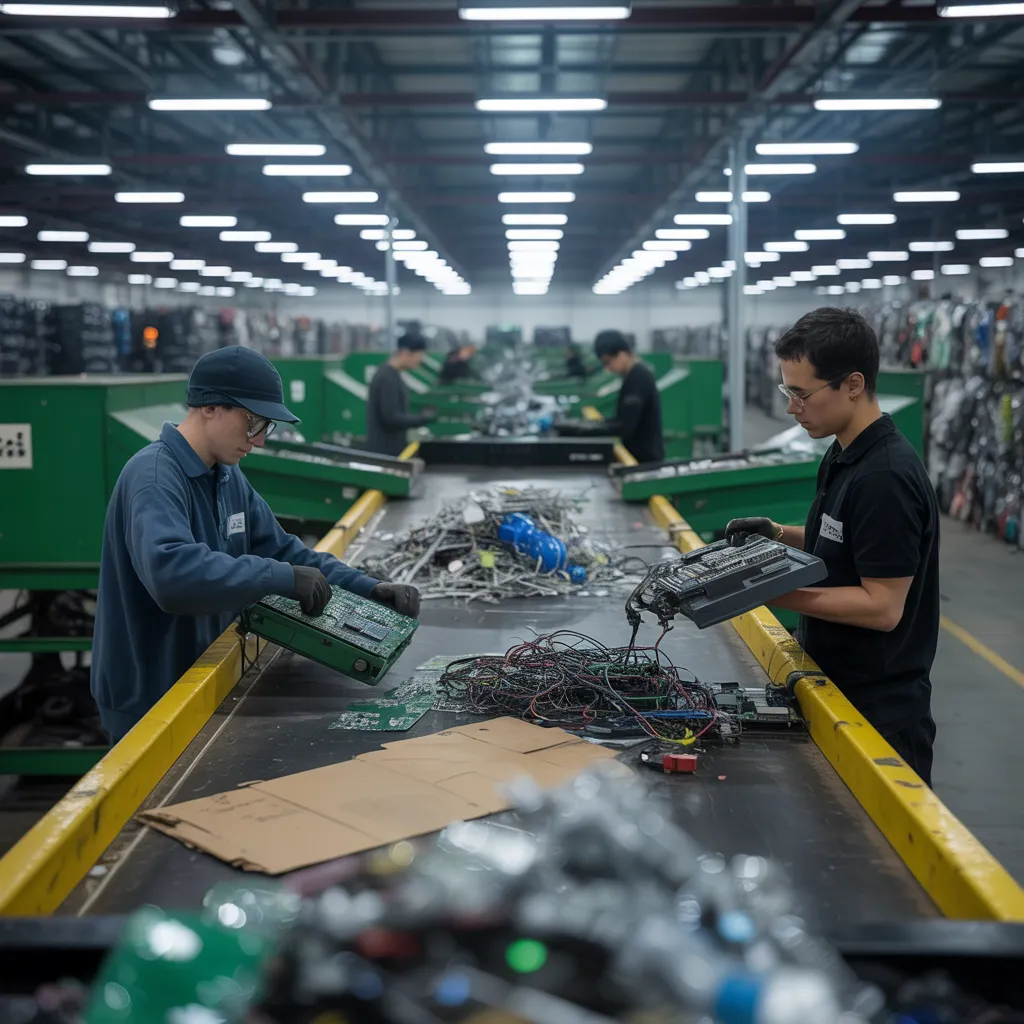
The recycling of e-waste encompasses a systematic process designed to recover valuable materials while limiting ecological damage. Initially, electronic waste is gathered and delivered to purpose-built recycling plants. Upon arrival, the electronics are carefully categorized to distinguish harmful elements from reusable resources.
Next, technicians dismantle the devices, removing glass, metals, and plastics. This process is vital, as it allows for the reclamation of valuable metals like silver, gold, and copper, which can be recycled in modern electronics.
Subsequently, the divided materials are processed using advanced techniques, such as mechanical shredding and chemical processing, to refine them for reuse.
Finally, the residual dangerous materials are managed properly, complying with eco-friendly standards. This comprehensive process not only conserves resources but also mitigates the risks associated with improper e-waste disposal, ensuring a more sustainable future for electronic device usage.
Why E-Waste Recycling Matters for You and Your Community
Though many people are unaware, the positive effects of e-waste recycling extend beyond personal convenience to positively impact entire communities. By carefully processing electronic waste, individuals play a role in creating a safer environment, reducing toxic components that can leach into soil and water. This responsible method actively safeguards local ecosystems and promotes public health.
In addition, e-waste recycling fosters the creation of jobs in communities. Regional recycling centers frequently need staff for diverse activities, from collection to processing, thus generating valuable job opportunities for local residents. This not only boosts the local economy but also inspires community dedication to sustainable efforts.
Furthermore, understanding of e-waste recycling is capable of inspiring learning opportunities, enabling residents to embrace sustainable practices. By engaging with e-waste recycling programs, individuals promote a culture of sustainability, prompting others to do the same. All things considered, the combined impact of these actions can contribute to a more sustainable and conscientious community.
A Guide to Selecting an E-Waste Recycling Service
Picking the right e-waste recycling service is crucial for guaranteeing that e-waste is processed with responsibility and sustainability. Initially, consumers should verify the company's certifications, such as R2 or e-Stewards, which demonstrate adherence to industry standards for responsible recycling methods. It is equally important to evaluate the organization's reputation by reading customer reviews and obtaining referrals from reliable sources.
Furthermore, openness in the recycling process is crucial. A reliable company should offer detailed insights about how e-waste is processed and what becomes of the materials. Furthermore, assessing the variety of services available can be advantageous; certain providers may offer collection services or present rewards for recycling.
Furthermore, learning about area-specific requirements for e-waste disposal can additionally influence the evaluation process. When these considerations are given priority, residents can actively participate in responsible e-waste disposal alongside encouraging sustainable environmental efforts.
How You Can Take Part in E-Waste Recycling?
Participating in e-waste recycling may begin at the local level, where recycling centers regularly supply essential services for proper disposal. Additionally, taking part in community awareness campaigns can strengthen efforts to inform others regarding the importance of proper e-waste handling. Such efforts not only encourage sustainable practices but also build a collective sense of accountability for the environment.
Nearby Recycling Facilities
Numerous community recycling facilities serve a vital function in the recycling of e-waste, offering communities convenient opportunities to dispose of electronic waste responsibly. These facilities handle a selection of digital devices, including aging computers, cell phones, and television sets, verifying that toxic materials are disposed of safely. Most centers are equipped with knowledgeable personnel who are able to assist individuals with correct disposal techniques, highlighting the value of recycling rather than landfilling. Furthermore, various hubs coordinate planned drop-off gatherings or set collection days, making it easy for residents to participate. By taking advantage of these neighborhood resources, community members advance a circular economy, decreasing environmental damage and advancing sustainable approaches. Working alongside these hubs allows communities to address e-waste pollution proactively.
Community Awareness Campaigns
Nearby organizations, schools, and enterprises can collaborate to host events that promote e-waste collection drives. Volunteers can play a pivotal role in spreading awareness, distributing educational materials, and engaging with the community. Through these collective efforts, local inhabitants gain greater awareness and encouragement to properly recycle their e-waste, ultimately contributing to a more sustainable future.
Frequently Asked Questions
What Types of Electronics Can Be Recycled?
Many different electronics may be recycled, including computers, smartphones, televisions, laptops, gaming consoles, and printers. Moreover, ancillary devices such as mice, keyboards, and batteries are also suitable for recycling, aiding in efforts to conserve the environment.
Are There Any Costs Associated With E-Waste Recycling?
That's correct, electronic waste recycling may involve charges, based on the provider. Some service centers charge fees for collection or processing, while other facilities offer free services, typically funded by the proceeds from salvaged materials.
What Are the Benefits of E-Waste Recycling for Businesses?
Businesses can benefit from e-waste recycling by reducing disposal costs, enhancing their environmental image, complying with regulations, recovering valuable materials, and potentially generating revenue through resale, thereby fostering a more environmentally responsible business approach.
What Becomes of Data on Recycled Devices?
Details on refurbished electronics is Discover more often completely removed or eliminated during the refurbishment process. This guarantees confidential data stays protected, preventing unauthorized access while allowing components to be recycled carefully and ethically in new products.
Are Broken Electronics Eligible for Recycling?
Yes, damaged electronics may be recycled. A wide range of facilities receive non-functioning devices, providing safe disposal and extraction of recoverable materials. It helps minimize the environmental footprint while fostering eco-friendly recycling methods to control electrical waste responsibly.